News Story
Building Bridges to Accelerate Innovation

Dr. Reza Ghodssi (UMD Distinguished University Professor and MATRIX Lab Executive Director of Research and Innovation) delivers welcome remarks at the MATRIX Lab Industry Open House
The University of Maryland (UMD) A. James Clark School of Engineering MATRIX Lab is building partnerships and sparking innovation in Southern Maryland.
The team held its first Industry Open House, sponsored by HII's Mission Technologies division, on July 15 at the USMSM SMART Building. The event brought together professionals from organizations across industry, government, and academia. Sessions highlighted how each sector can help create a seamless pathway from idea to capability, and how the Clark School and the MATRIX Lab can support that mission with their innovation opportunities. Dr. Reza Ghodssi, UMD Distinguished University Professor and MATRIX Lab Executive Director of Research and Innovation, described the lab as a regional resource for industry and government partners.
“This event was an excellent example of how our highly skilled faculty, researchers, students, staff and our world-class capabilities in autonomy, robotics, advanced manufacturing, test & evaluation of autonomous systems can create value for everyone involved when industry and government engage with them directly,” said Dr. Ghodssi. “The Open House was a success on all fronts - I look forward to seeing what collaborations form as a result of this event, and what those teams are able to accomplish together.”
 “This was a great reminder of how much energy and talent is driving innovation across the region,” said John Bell, Chief Technology Officer at HII Mission Technologies. “What stood out most was the mix of people in the room - researchers, small businesses, students, and industry teammates - all leaning into the same goal: collaborating, building, and testing new capabilities that can make a real difference. The MATRIX Lab creates a space where those connections happen naturally.”
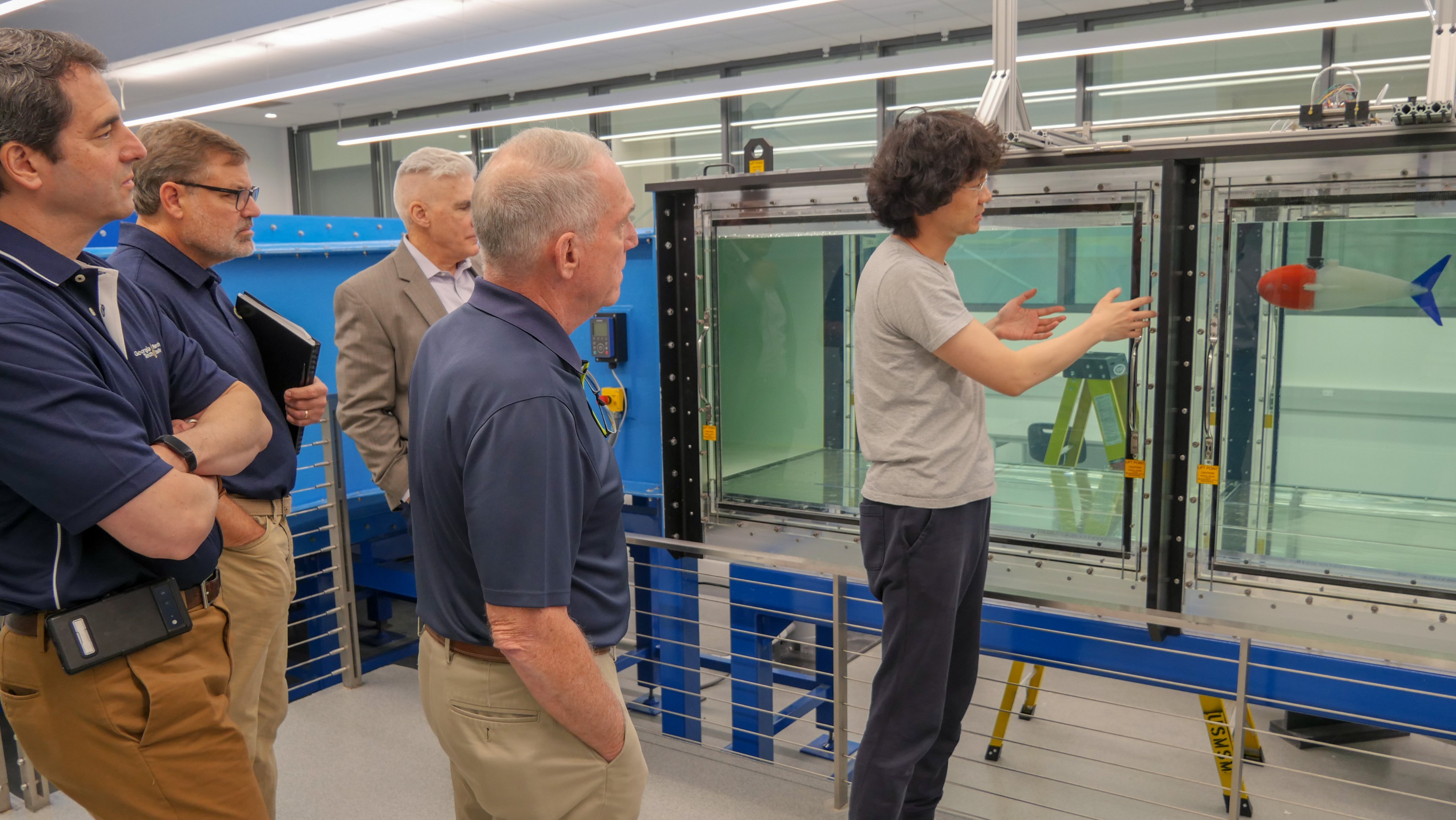
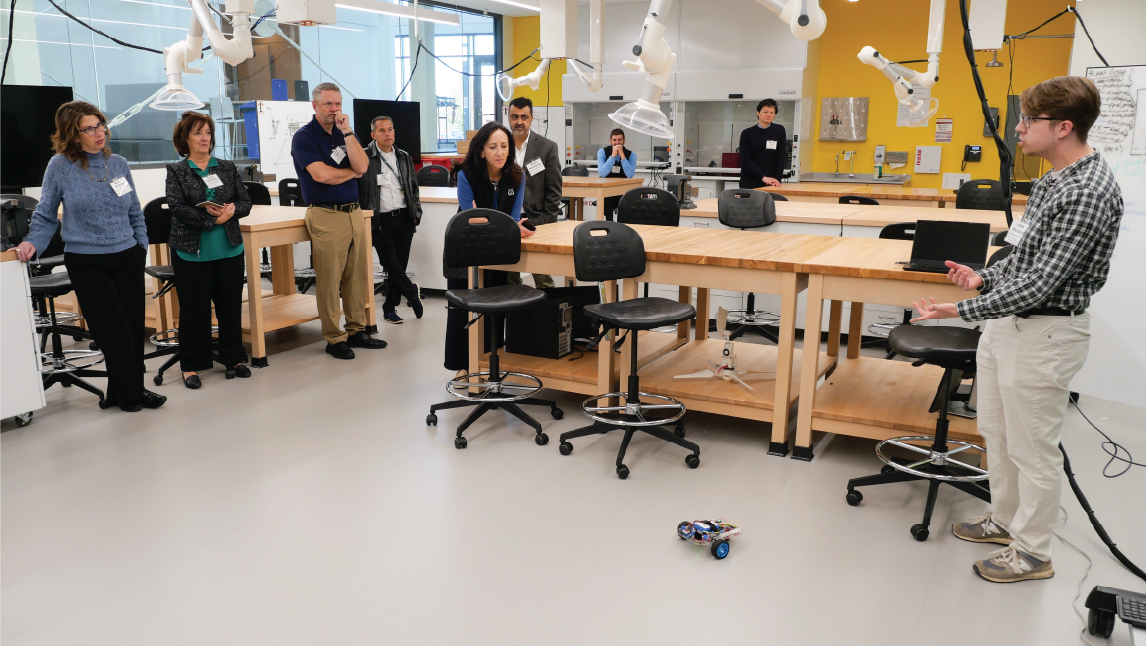
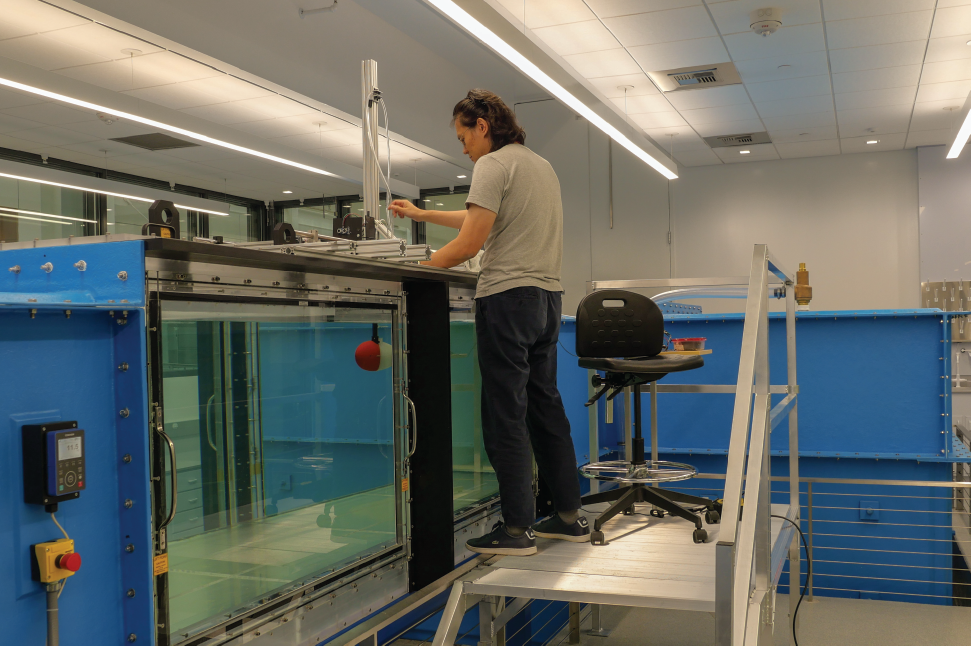
The event started with a morning session that focused primarily on startups and small businesses, covering topics like SBIR/STTR funding, business support services, commercialization resources, and university incubators/ partnership opportunities. The afternoon session focused on larger-scale collaboration among industry, government, and academia to move technologies into operational use and strengthen the workforce pipeline into the federal government and industry. Throughout the day, attendees were able to see the MATRIX Lab’s spaces and learn how they are used in research including drone autonomy, robotics, and advanced manufacturing. UMD students and faculty were able to share their research during poster sessions.
Event Summary
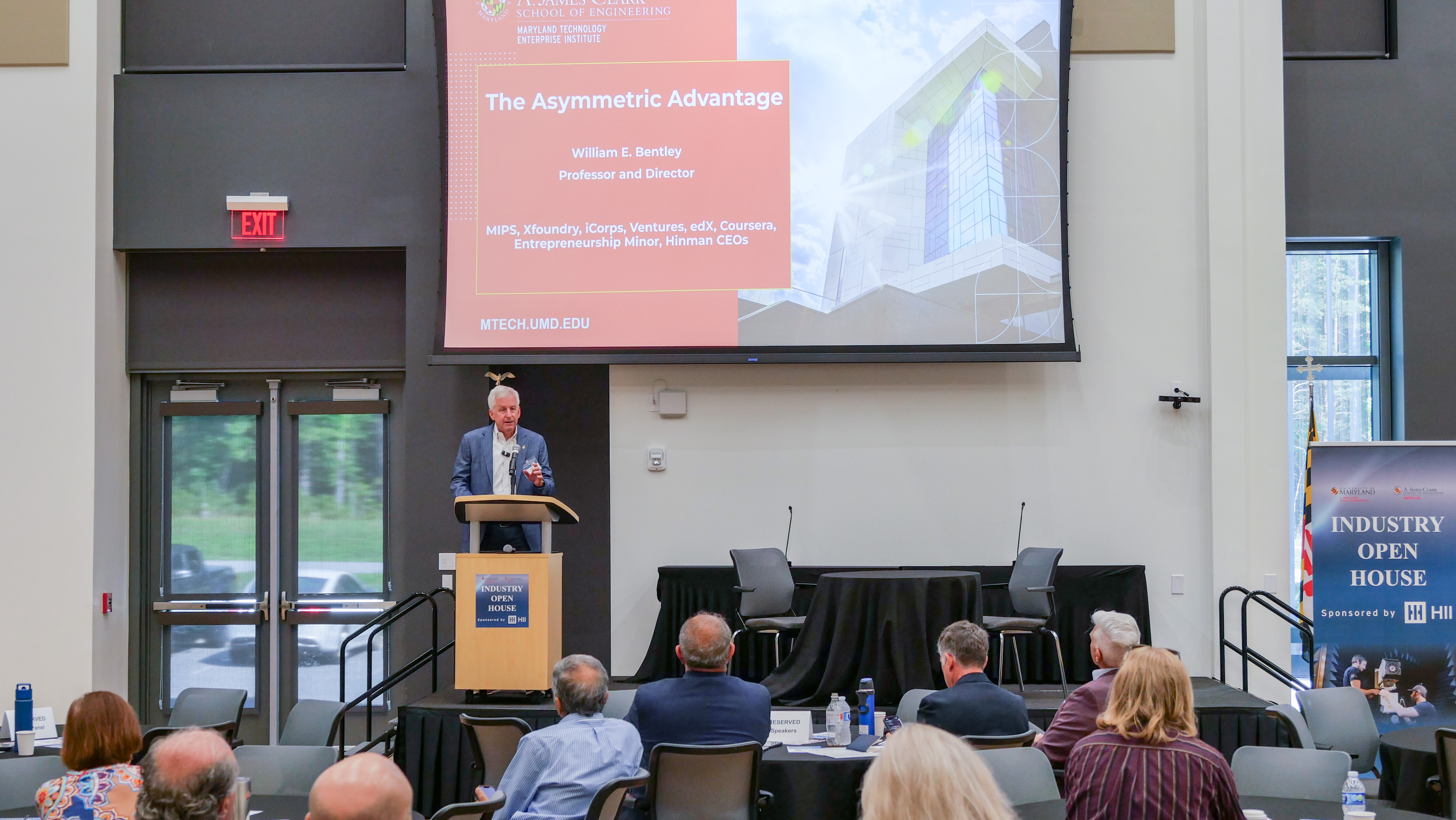 In the morning keynote, Dr. Bill Bentley, Director of the Maryland Technology Enterprise Institute (Mtech), shared lessons from decades of helping transform university research into successful companies, emphasizing that groundbreaking technology alone is not enough. He encouraged attendees to prioritize customer discovery, market fit, and strategic partnerships while highlighting UMD resources that help entrepreneurs move innovations from the lab to the marketplace.
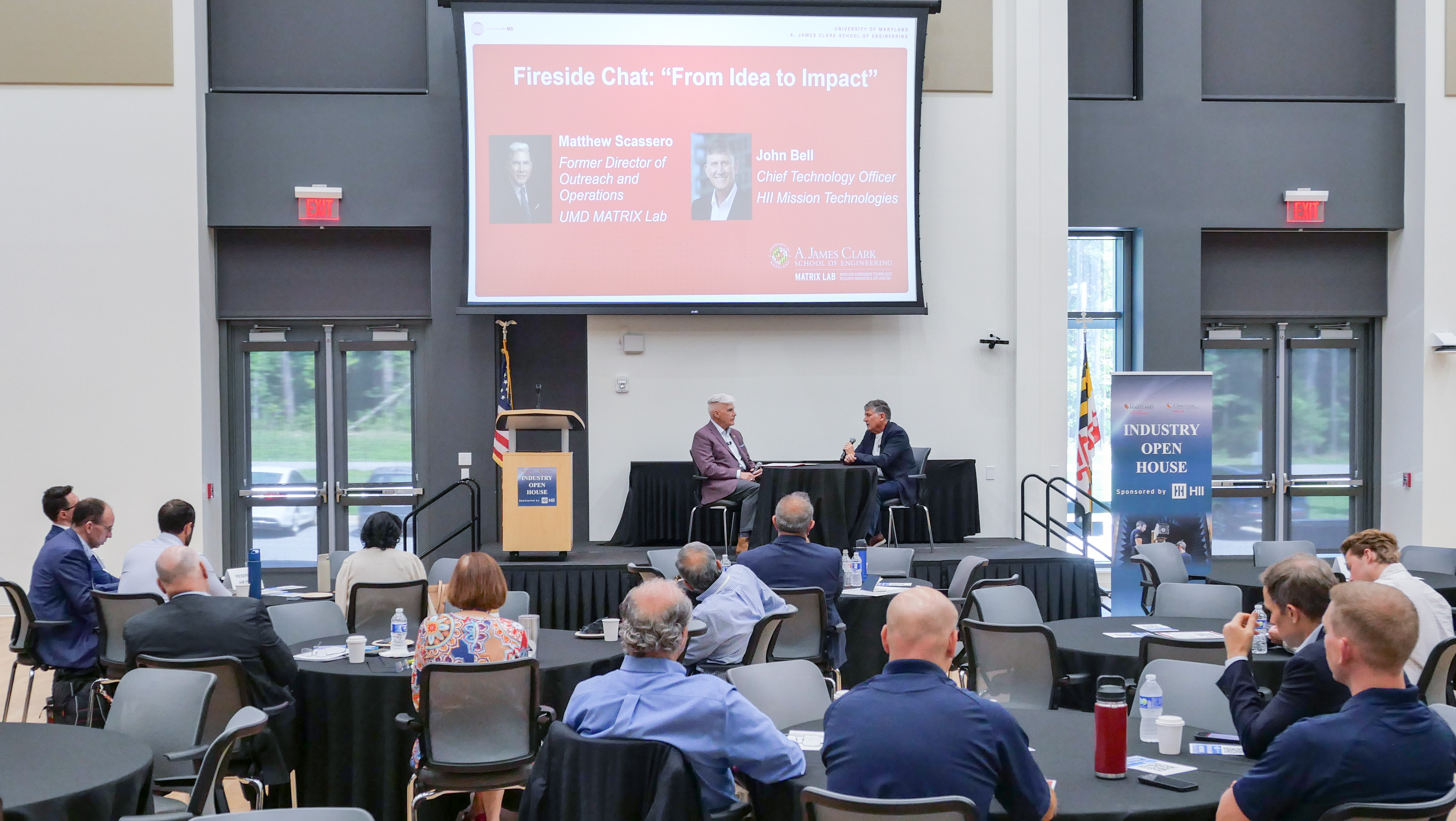
A fireside chat between the MATRIX Lab’s former director, Matt Scassero, and HII’s John Bell explored how stronger partnerships between universities and industry accelerate innovation and prepare the future workforce. The discussion highlighted the importance of engaging collaborators early, leveraging high-quality data to advance AI and autonomy, and building relationships that help bridge the gap between research and real-world mission needs.
Representatives from UMD, the Maryland Department of Commerce, NAWCAD, and NAVAIR discussed how small businesses can successfully navigate the region's innovation ecosystem in the morning panel. Panelists emphasized customer discovery, collaboration, funding opportunities, and making use of the many interconnected resources available in Southern Maryland to help companies move promising technologies toward deployment.
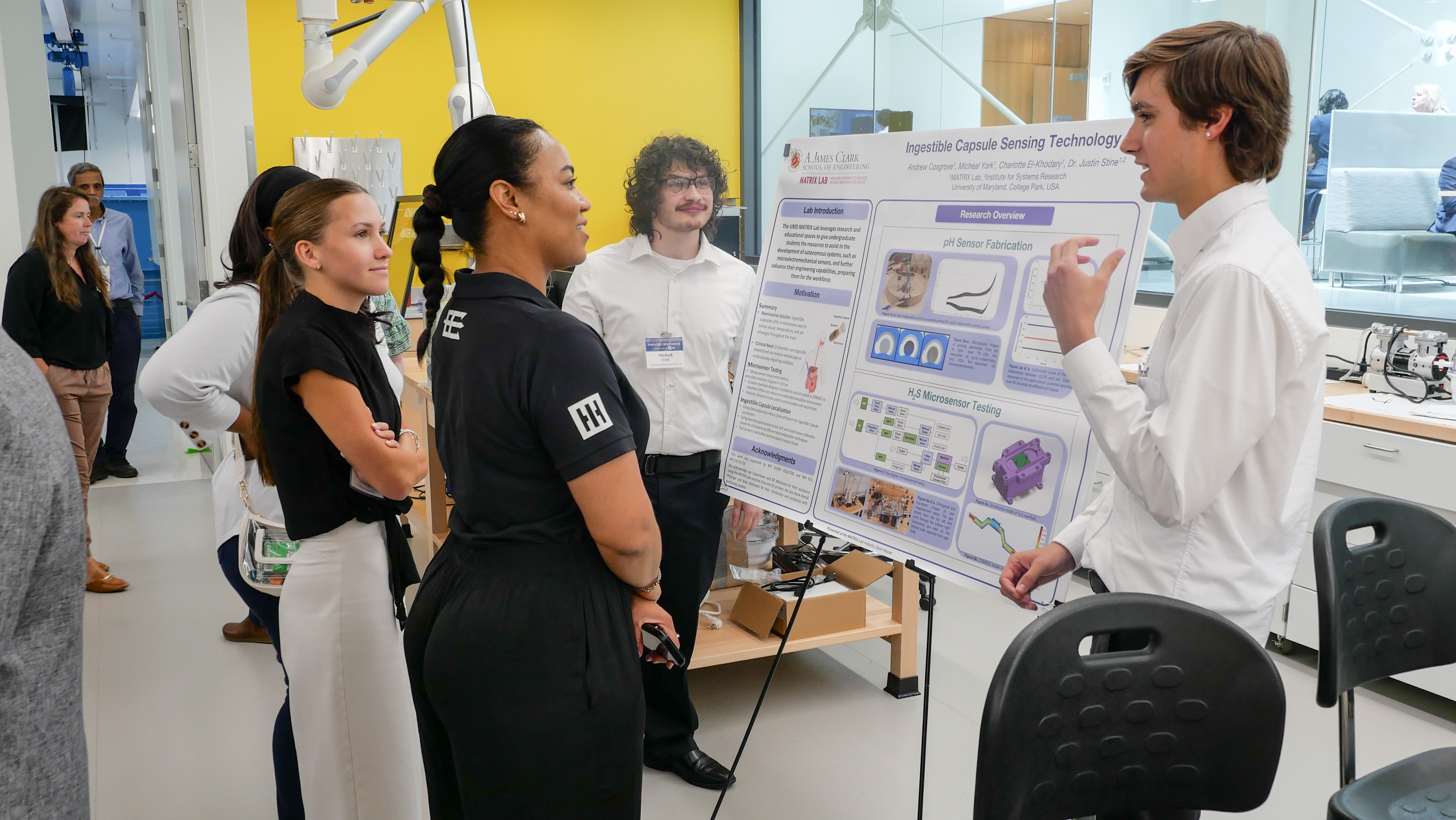 UMD faculty, staff, and students, including MATRIX Lab interns, got the chance to show and tell their research projects to event attendees through posters and demonstrations during the lunch break.
The afternoon keynote with Stephen Cricchi, Executive Director of NAVAIR, examined how emerging technologies can be transitioned into operational military capability more quickly and effectively. Key themes included balancing speed with disciplined engineering, designing technologies for integration rather than standalone use, leveraging AI and digital engineering, and strengthening partnerships among industry, government, and academia to accelerate innovation while preparing for scalable production.
In the afternoon panel, leaders across industry, government, and academia (KBR, HII, NAWCAD, and UMD) explored what makes long-term partnerships successful and how collaboration can be strengthened across the defense innovation ecosystem. The discussion focused on reducing institutional barriers, expanding workforce pipelines, embracing more flexible partnership models, and building the trusted relationships needed to move new technologies from research into operational use.
This event was covered by regional media. Read the BayNet story here.
Published July 20, 2026
Related Stories
Stories / July 1, 2026
Establish Research Partnerships at the MATRIX Open House

Stories / April 27, 2026
New Lecture Series Unites Experts to Solve Critical Challenges

Stories / December 10, 2025
Small Business Connections Help Meet Researcher Needs
Stories / December 5, 2025
UMD Engineering & HII Partner to Accelerate Defense Technologies
Stories / March 20, 2025
MATRIX Lab Establishes Industry Advisory Board
Stories / February 12, 2026
MATRIX Lab Workshop Focuses on Fielding Autonomous Systems

Stories / April 23, 2025
An Advanced Space for Enhanced Education
Stories / March 10, 2025
Developing Efficient Systems for Deep Sea Exploration
Stories / May 13, 2024
Academia and Industry Tackling UAS Concerns Together

Stories / May 1, 2023
Just keep swimming, and schooling