


- Rising sophomore to rising senior from any accredited college or university
- U.S. citizenship or permanent resident
Introduction
The MATRIX Lab proudly offers paid, hands-on research opportunities working directly with our faculty and staff through our internship program for undergraduate students at its location within the University System of Maryland at Southern Maryland (USMSM), the region’s education center. This is a unique chance to gain real-world experience working in USMSM's state-of-the-art SMART Building with the MATRIX's cutting-edge equipment. Dive deep into a project related to one of the MATRIX Lab’s focus areas, including additive manufacturing/3D printing, artificial intelligence/machine learning, autonomous technologies/uncrewed systems, and robotics. Check out our current opportunities and application below.
- Read the application and its requirements carefully.
- Do not contact PIs directly, to ensure a fair review process.
- Applicants who do not follow instructions and meet guidelines may not be considered.
- Please note: If you are applying for Metal Additive Manufacturing, Robotic Rover, Radar for Wood Damage: You must identify a faculty mentor who is willing to work with you and your assigned MATRIX team member on the project.
- The purpose of these projects are to create new collaborations in new research areas, therefore faculty mentors can be from the University of Maryland, College of Southern Maryland, USMSM, your home institution, or any other institution. Research professors that may be a good fit for what you're trying to do, and be creative!
STAND BY FOR 2027 INFORMATION!
INTERNSHIPS RUN FROM MID-JUNE TO THE END OF JULY
2026 Intern Projects2026 Intern ApplicationIf you have any questions about internships, please email the MATRIX Lab team at matrix@umd.edu
2026 Interns
Check out what our interns had to say about their experience! Read the full story of their projects and achievements in our 2026 intern story.
Interviews done by Briana Dawson, MPH - Communications, Outreach, and Marketing Coordinator, USMSM
Oscar Ruiz
"Interning at the MATRIX Lab at USMSM has been a valuable opportunity to learn, grow, and contribute to the development of new technologies. Through my project, ‘Metal Additive Manufacturing,’ I gained hands-on research experience while exploring innovative approaches to advanced manufacturing and technology."
- Oscar Ruiz
2026 MATRIX Lab Intern, Metal Additive Manufacturing
University of Maryland at USMSM, mechanical engineering, '27
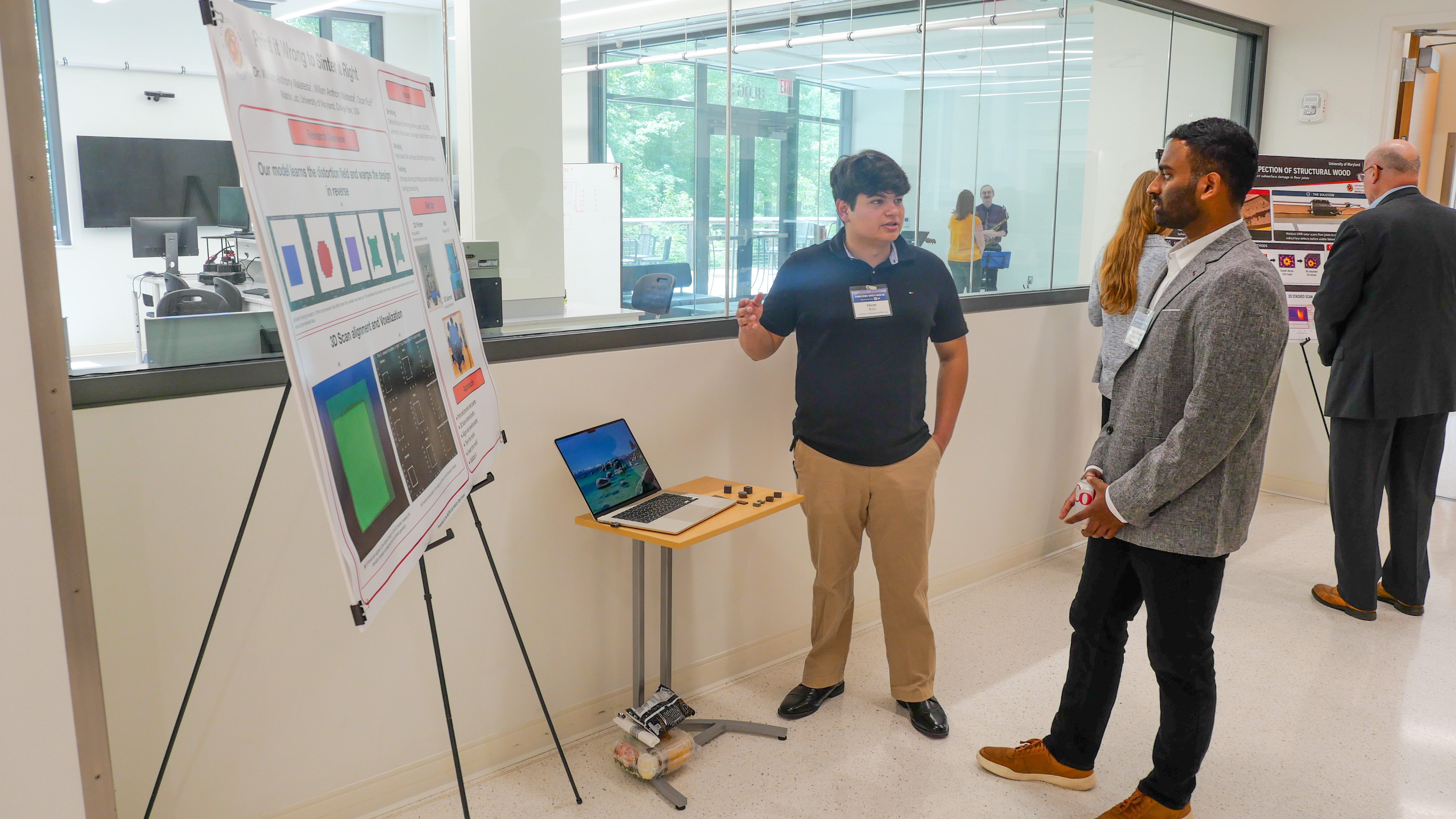
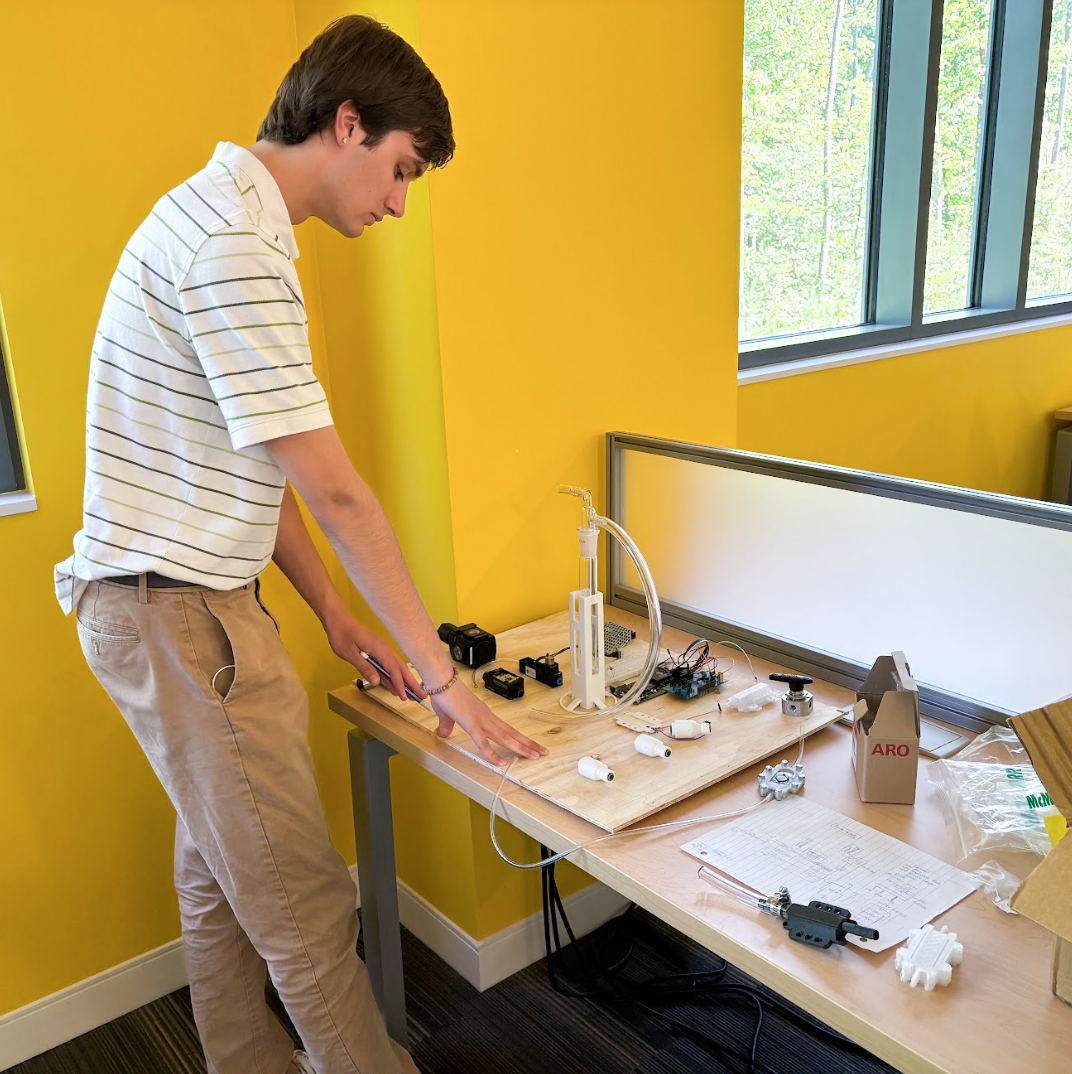
Intern Oscar presents his research at the MATRIX Lab's Industry Open House in July 2026
Saniya Apte
"Interning at the MATRIX Lab at USMSM has been an incredible opportunity that I know will continue to shape me academically and professionally. Through my project, ‘Robotic Fish Testing Platform,’ I was able to immerse myself in hands-on research and innovation while developing the confidence to work independently, solve problems, and track my progress."
- Saniya Apte
2026 MATRIX Lab Intern, Robotic Fish Testing
University of Maryland, College Park, bioengineering, '28
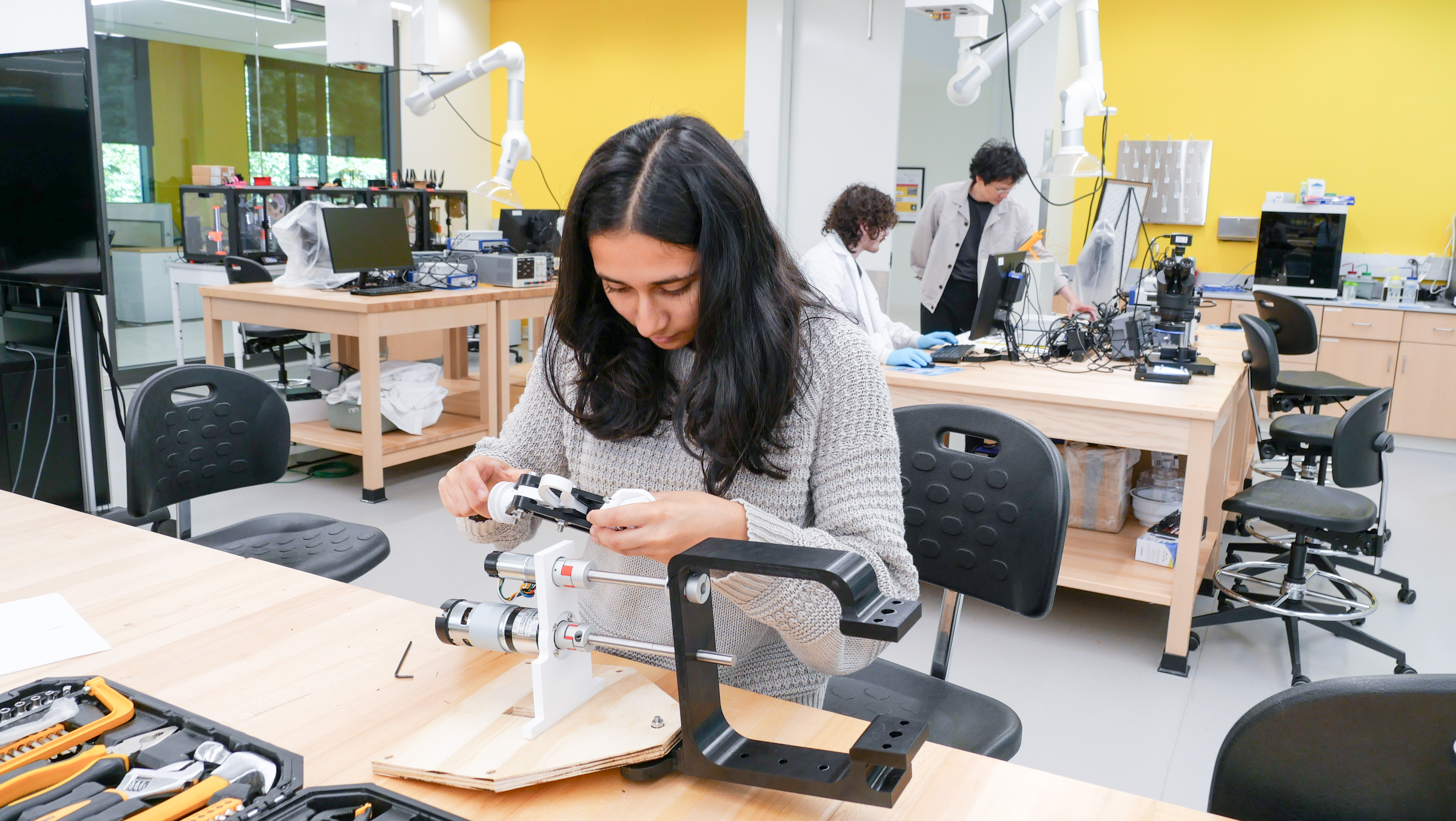
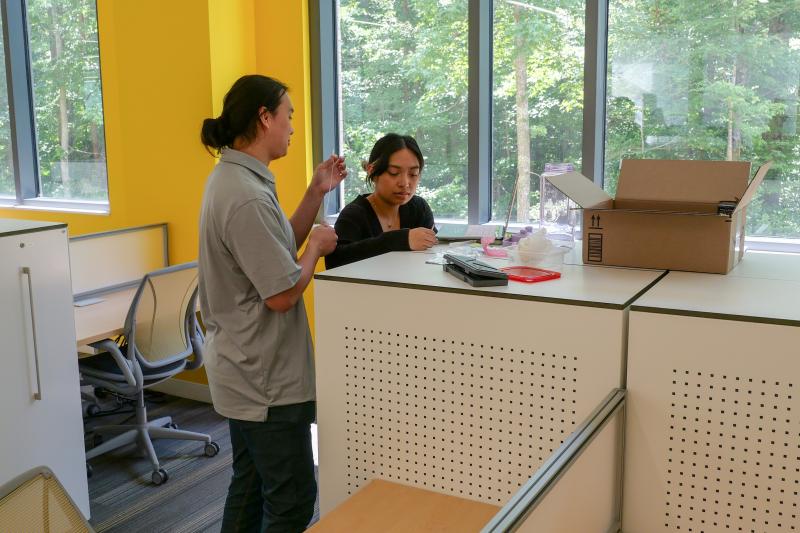
Intern Saniya works on robotic fish component in the MATRIX's Project Assembly Area
Micheal York
"Interning at the MATRIX Lab at USMSM has been a significant part of my growth and development as an engineer. Through my work on the Biofouling and pH Sensor Projects, I’ve had the opportunity to gain hands-on experience with different aspects of engineering and see how different disciplines come together to develop and integrate new technologies.
This experience has helped me grow both technically and professionally, and I’m excited to continue building on the skills and knowledge I’ve gained through my work with the MATRIX Lab."
- Micheal York
2026 MATRIX Lab Intern, Biofouling and pH Sensor
College of Southern Maryland, engineering, '26
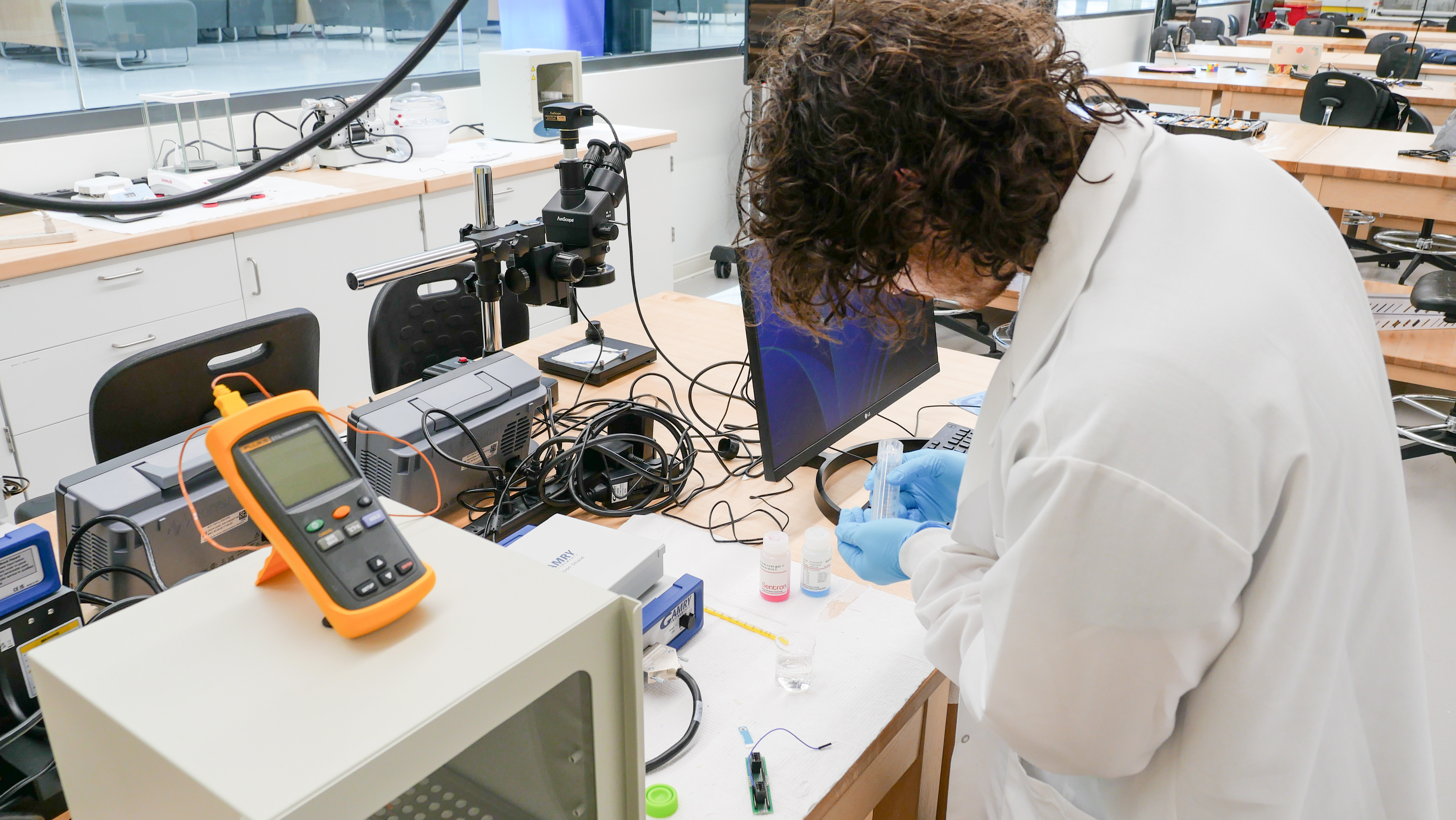
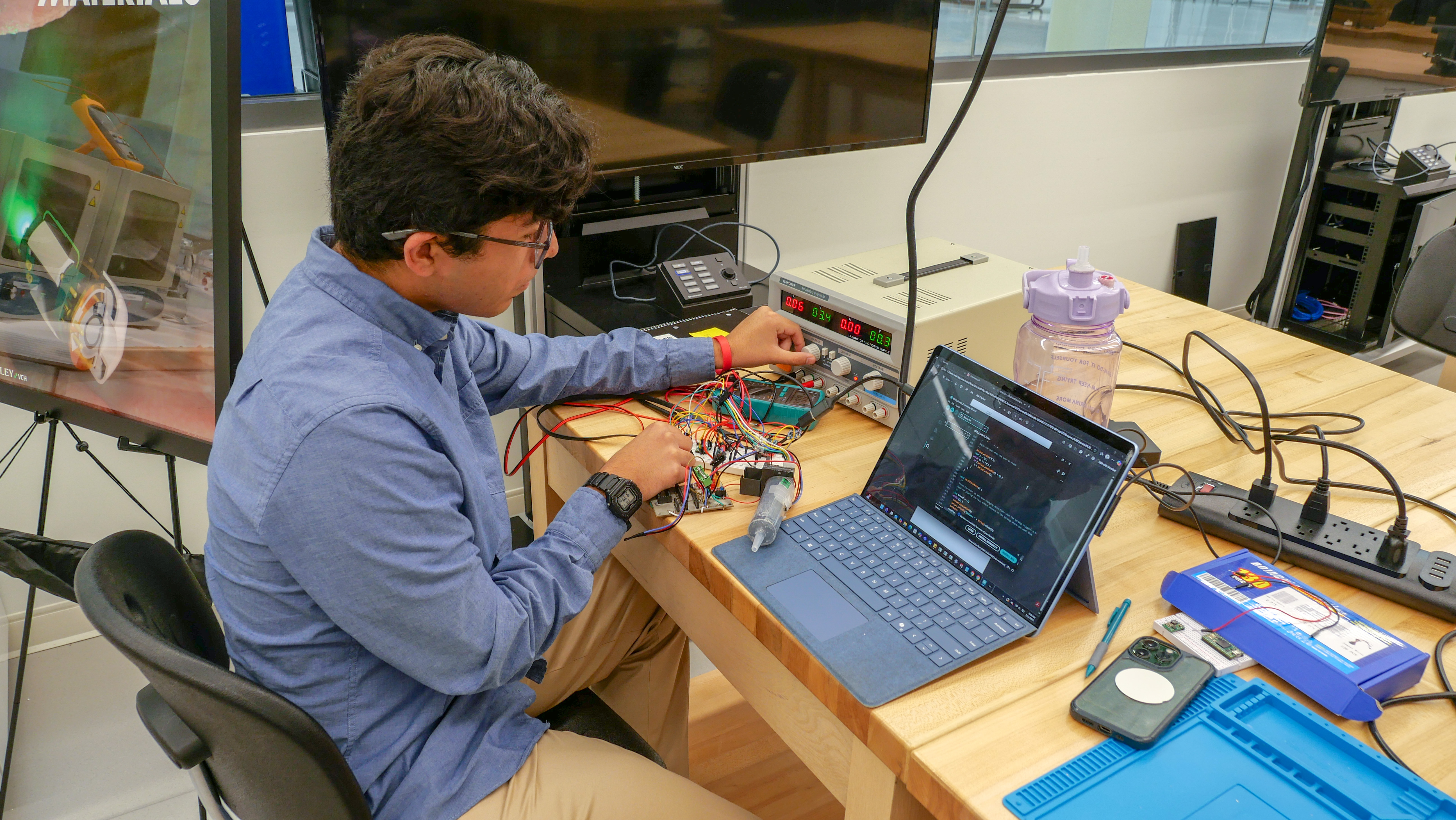
Intern Micheal works on project in the MATRIX's Advanced Manufacturing Lab
Top